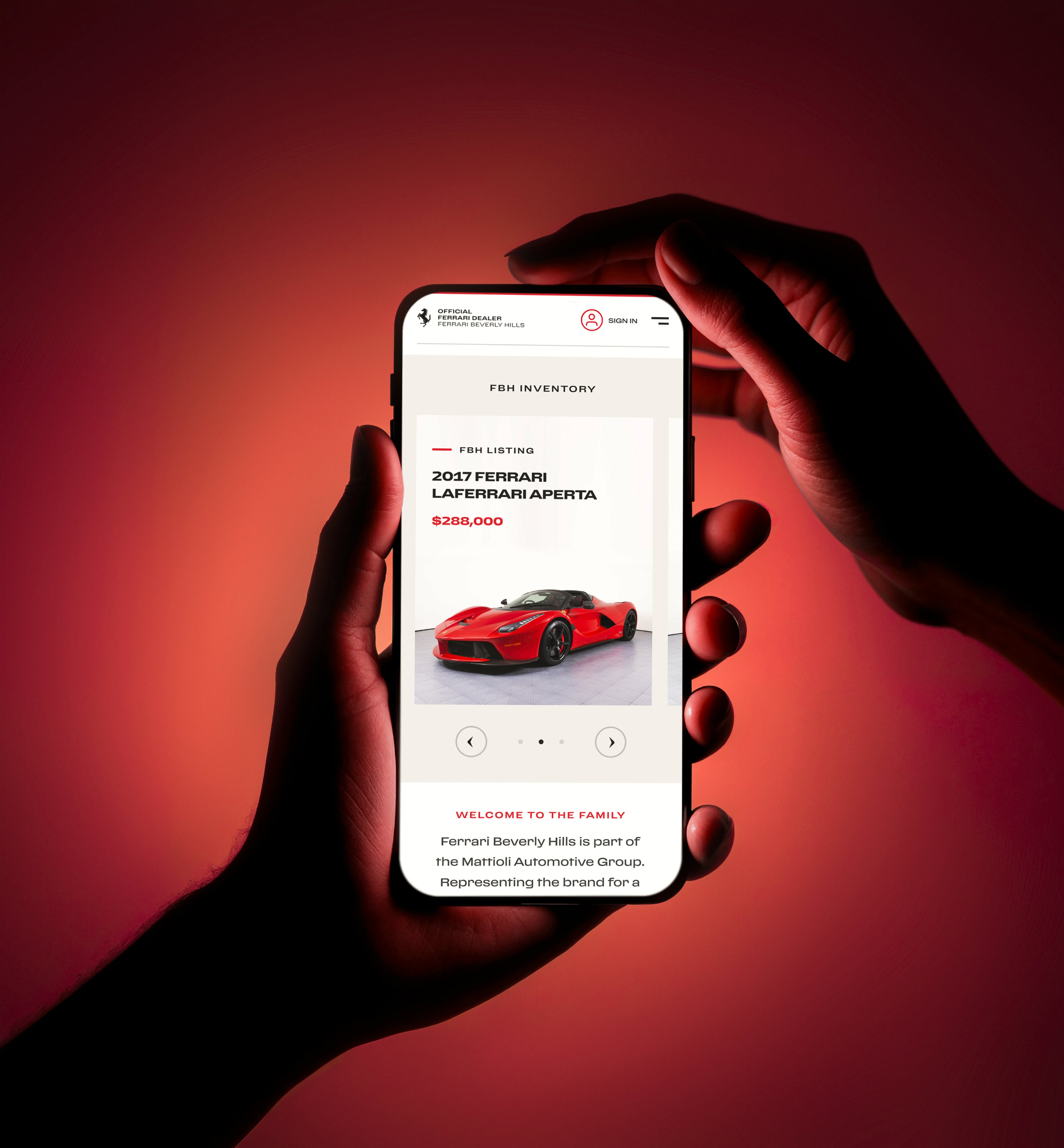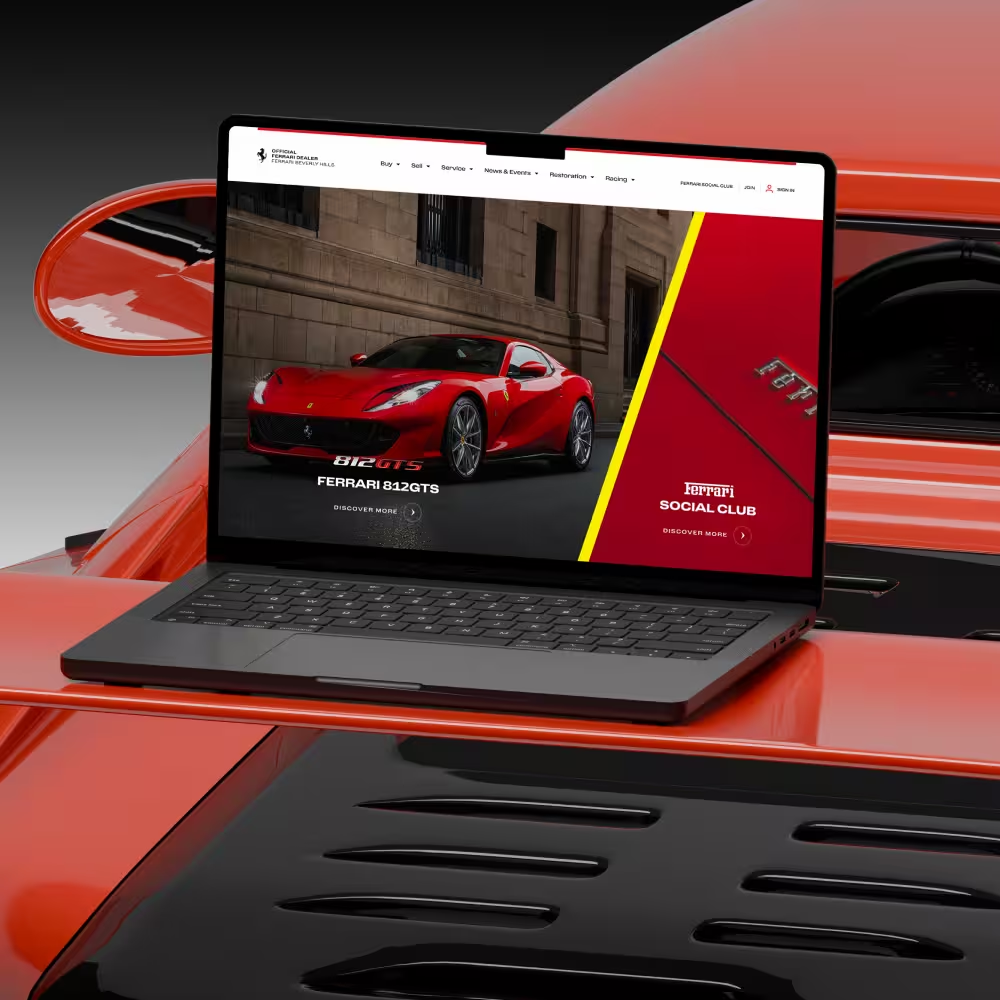








In the old model, branding and product lived in different rooms. The brand team crafted the story; the product team built the functionality. Users were expected to connect the dots themselves. But that’s not how it works anymore. To your customers, the homepage is the product. The onboarding flow is the brand. When those two things don’t align, people feel the disconnect instantly.
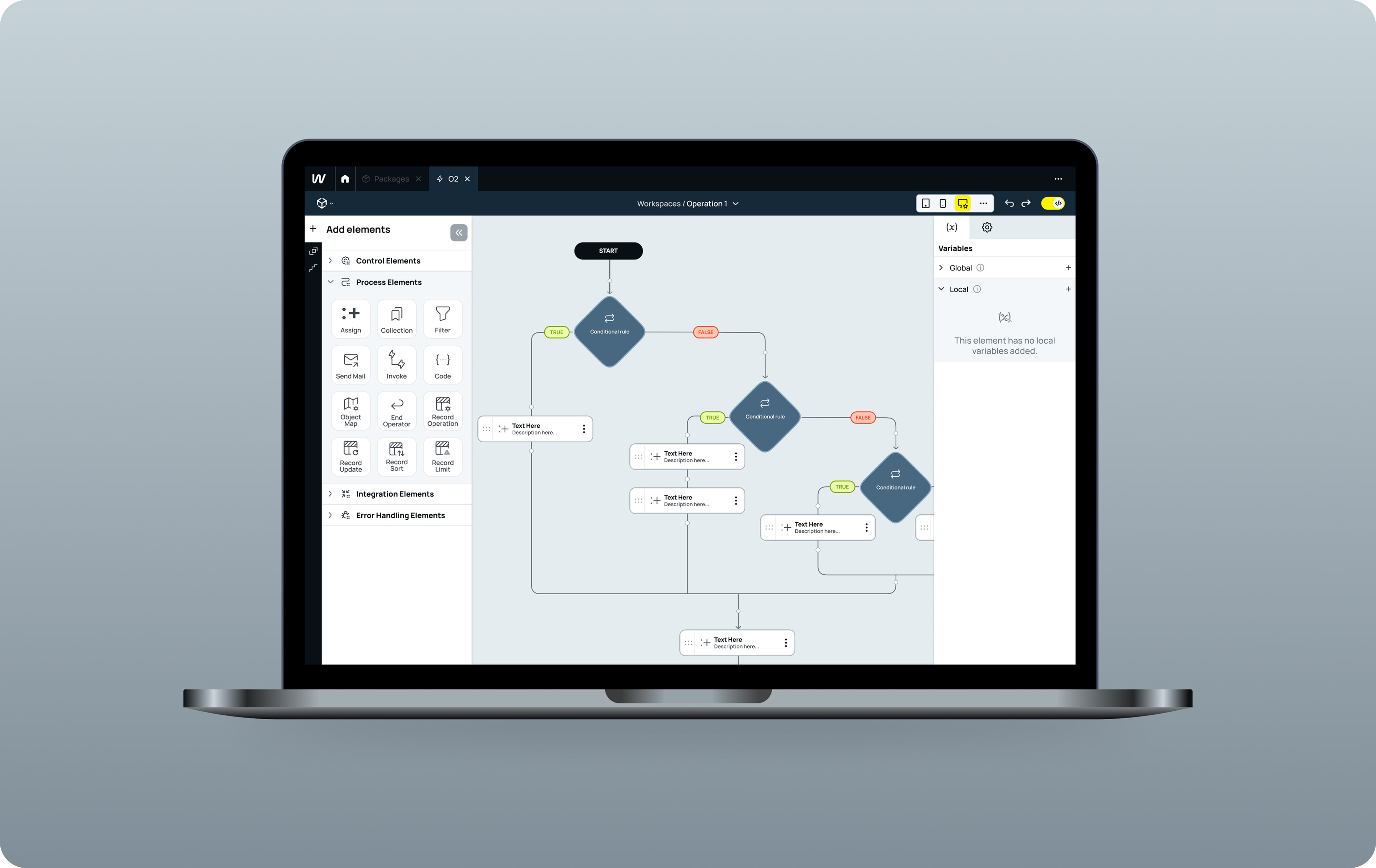
The brand is a promise. The product is proof.
Branding sets expectations; the product delivers on them. If a fintech company claims to be “secure,” then every login, notification, and support experience has to reinforce that promise. If a wellness app promises “calm,” that calm can’t stop at the logo - it has to live in the pacing of the flows, the typography, even the tone of microcopy.
When brand and product contradict each other, trust breaks down. When they support each other, every detail reinforces confidence.
When the logo isn’t enough
We’ve seen companies sink investment into polished logos or campaigns, only to lose momentum when the product experience didn’t follow through. A logo can start the story, but it can’t finish it.
At AKEO, we think of branding and product as inseparable - not competing for attention, but amplifying one another. Our work with Incentiv, for example, showed this clearly. Building a Web3 brand around decentralization wasn’t just about a visual identity. It had to be proven in the product flows - in how users navigated, interacted, and trusted the system. The brand story only worked because the product delivered it in real time.
Why it’s worth the work?
The case isn’t just emotional - it’s strategic.Consistency builds trust. Users stick longer when the experience feels coherent.Familiarity speeds adoption. When branding is baked into UX, people learn faster.
One investment pays twice. Instead of separate spends on “explaining the brand” and “fixing usability,” you invest once in a unified system.
For Flowbase, this meant designing not only a visual identity but a full product ecosystem where trust, privacy, and transparency weren’t buzzwords - they were built into the actual experience of staking and validation.
.jpg)

The strongest companies won’t think of branding and product as two disciplines anymore. They’ll see them as one system. At AKEO, that’s how we work: starting with the story, then building the proof. Because in the end, users don’t care about the distinction. They only care if the promise holds true.